

A Third Space for Strategists
Sometimes doing less is more

Introduction
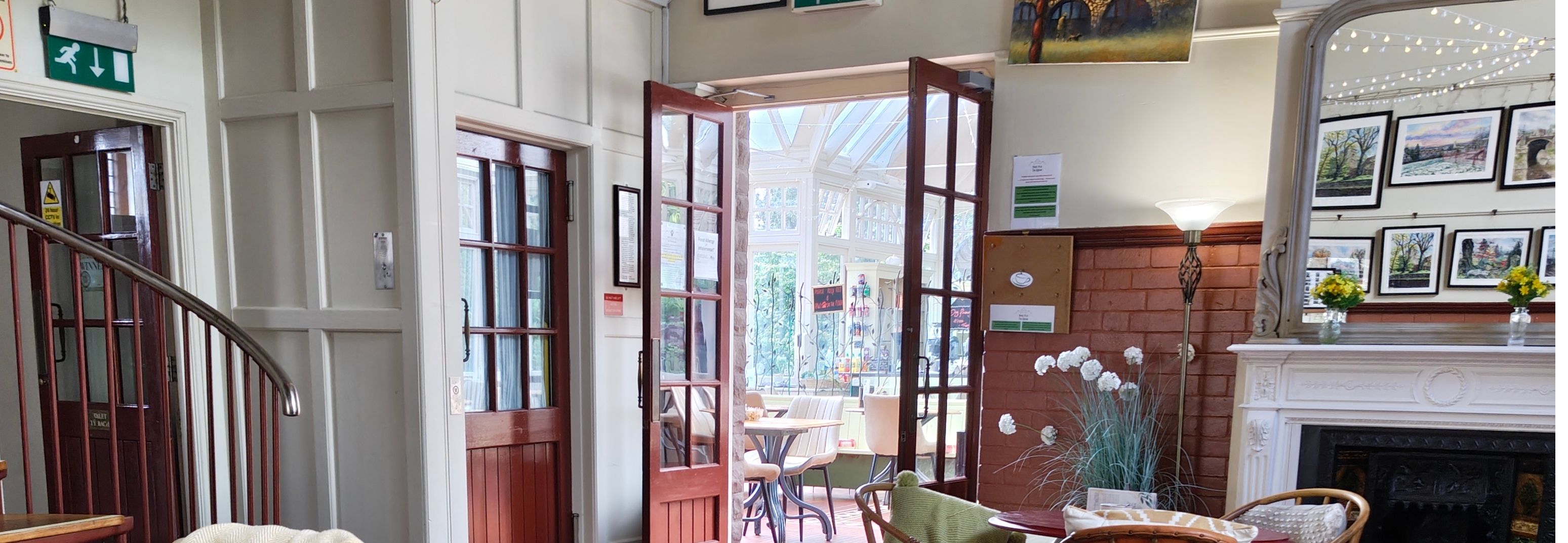
You know the kind of place: a café tucked between home and office, a bench in a quiet park, a corner of the library where no one expects anything from you. It’s somewhere you go to think without pressure, to let ideas breathe. These third spaces are where perspective arrives, because you gave it room.
What if you could build that kind of space inside your own mind?
A mental third space is a space you cultivate through habit where your brain can wander, connect, and synthesize without the usual constraints of deadlines or performance. This is about creating the conditions where your mind can do what it already knows how to do, just more deliberately.
The Shape of a Mental Third Space
This space often appears when you’re doing something else: showering, walking, staring out a window. The key is the way you allow your mind to move, letting your brain sort through layers of information, memories, and patterns in the background, the way a river smooths stones over time.
The habits that build this space are simple, but not always easy. They involve:
Repetition without pressure: Returning to the same peaceful activity (a morning walk, a daily sketch, a few minutes of journaling) to signal to your brain that this is a time for unstructured thought.
Low-stakes attention: Engaging in tasks that occupy your hands or body but leave your mind free to drift (gardening, knitting, driving a familiar route).
Rituals of transition: Small, consistent acts that mark the shift from “doing” to “being” (a deep breath, a phrase you say to yourself, a specific place you sit).
Over time, these habits train your brain to recognize when it’s time to step into this third space. It becomes a place you can access at will.
The Role of the Default Mode Network
Neuroscience offers a way to understand what’s happening in this space. The default mode network (DMN) is a large-scale brain network that becomes more active when you’re not focused on the outside world, when you’re daydreaming, reflecting, or letting your mind wander. It’s not idle, but working, making connections, processing memories, and generating insights. Research suggests the DMN plays a key role in creativity, problem-solving, and even how we construct our sense of self.
The DMN doesn’t respond to force. It thrives in states of relaxed attention, the kind you find in that mental third space. When you cultivate habits that invite this state, you’re giving your brain the conditions it needs to do its most integrative work. The solutions, ideas, and perspectives that emerge often feel as if they came out of nowhere, but they were there all along, waiting for the right space to take shape.
The DMN’s work is subtle, and its outputs aren’t always immediate or obvious. But with practice, you can learn to trust the process, to recognize when you’re in that third space, and to let it do what it does best. The breakthroughs will come because you made room for them.
Use our Liminal Strategist experience and receive insights into how to increase your capacity and peace of mind.
Workshop: The Beach of Creative Insight
The third in a series of three workshops on accessing creativity.
This session is focused on filtering and selecting material from your energized creative processes. It encourages selecting the best, most relevant ideas and insights from the vast creative well of the subconscious.
Thursday, 16th July 2026
9 am Pacific | Noon Eastern | 5 pm UK | 6 pm Central European Time
Free to School of the Possible Members
Cost: $30.
Complimentary places available—email mike@liminalcoaching.com.
This session is the Third in a three-part sequence, designed to connect with the subconscious wellsprings of creativity.
The Thinking Partner: Launched and Live
If you’d like to see exactly how it all works before you try it, the complete User Guide is here to read first: the full Thinking Partner User Guide.
The best way to know if this is for you is to try it. Right now, the first 50 people to sign up can do so on a week’s free trial. Bring your own material and find out whether it earns a place in how you work. You can take everything with you at any time, and remove your material whenever you ask. Nothing here holds you in.
Hit the button to sign up.
**************************************************
Free Mini Course
The Mental Tools for Neurodivergents (MTND) mini course is a free email series designed to help you deal with “normal” when it’s not designed for your brain.
Initially written for neurodivergent people, but helpful for anyone stressed by navigating neurotypical systems, it’s not a reset like one of our Guided Relaxations or Moments.
It’s a set of precise, field-tested strategies for coping with overload, executive function challenges, sensory strain, and expectations that don’t match how you work best.
You’ll get one short email a day for 5 days. Then, if it’s helpful, you can go deeper.
P.S. As always, we're interested in your feedback. If you have questions or want to discuss any aspect of Liminal Coaching, including 1-to-1 and group coaching programs, please book a complimentary half-hour chat.
Liminal Coaching Services
1-to-1 Coaching Sessions
These sessions can help with various areas, including reducing stress and anxiety, setting boundaries, managing overwhelm, and accessing your natural abilities for ideation, synthesis, innovation, and problem-solving.
All sessions include solutions-focused cognitive coaching, followed by a customized Guided Relaxation session. You will also receive a downloadable recording of the Guided Relaxation to use in your ongoing practice.
If you would like to know more, please book a FREE half-hour introductory session.